

Why Recertification Is Different From Inspection
An annual roof anchor inspection is a condition check by a trained qualified person. A 10-year recertification is a different animal. It is a full engineering review that ends with a stamped letter from a licensed structural engineer, confirming that every anchor on the building still meets the original 5,000 pound load requirement under OSHA 29 CFR 1910.27(b)(1) and ANSI Z359.18.
Recertification is required at least every 10 years on every commercial fall protection anchor in Seattle, no matter how good the annual inspections have looked. The 10-year requirement reflects something important: a decade of weather, building settlement, freeze-thaw cycles, and contractor wear can change anchor performance in ways that visual inspection alone cannot detect.
The deliverable is also different. An inspection report goes to your service contractors. A recertification letter goes to your insurance carrier, your asset manager, and ultimately, anyone defending the building in a claim. It carries an engineer's seal.
The Recertification Process: From Field Data to Stamped Letter
A typical Seattle recertification project runs in four phases:
- Records review. We pull the original installation records, prior inspection reports, and any maintenance or repair history for the anchor system. If the records do not exist, we build the baseline from scratch.
- Field inspection of every anchor. Each anchor is measured, photographed, and evaluated against the original installation specifications. Substrate conditions are documented at every location.
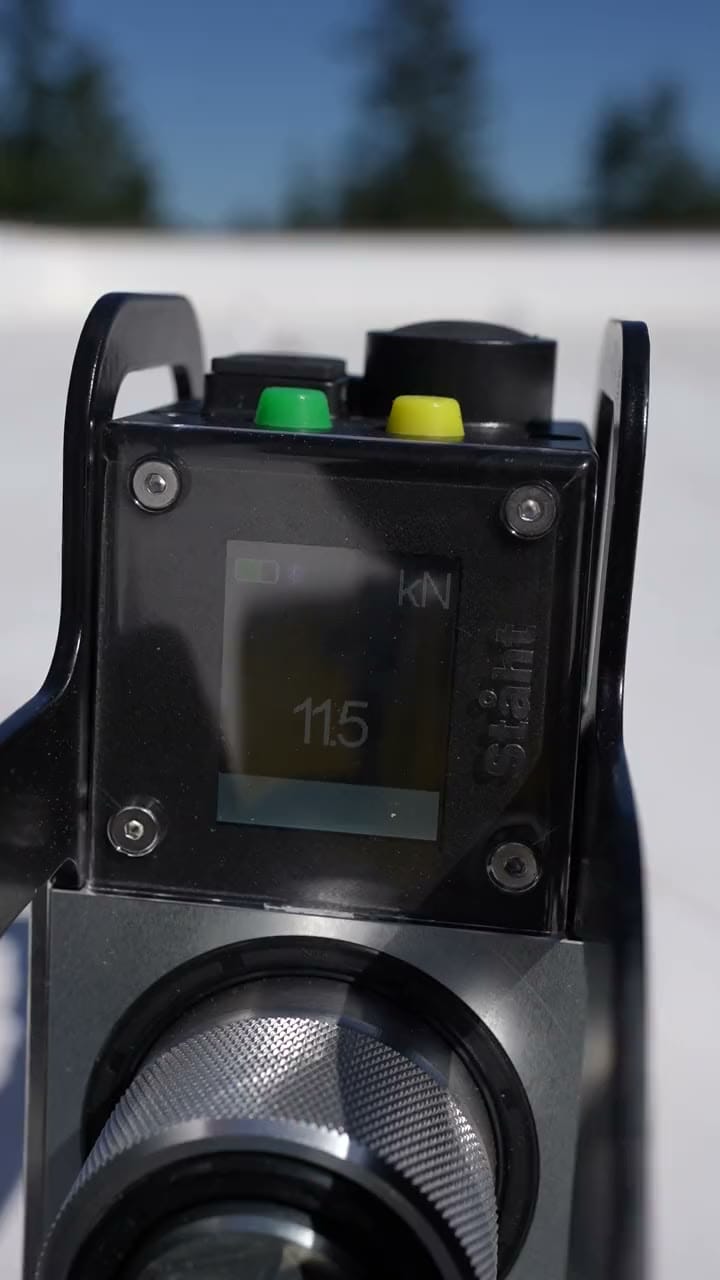
- Proof load testing of every anchor. Every anchor in the system is load tested to the levels specified by the manufacturer and applicable standards, using hydraulic equipment. ADS load tests every anchor as standard practice; sampling programs are available on request for large portfolios.
- Engineering review and stamped letter. A licensed structural engineer reviews the field data, the load test results, and the original design, then issues a stamped recertification letter confirming the system meets all applicable codes for the next 10 years.
From kickoff to stamped letter, most Seattle projects close in two to four weeks. Larger buildings or unusual systems can take longer.
When Your Seattle Building Is Due
If your building's anchor system was installed in 2014, 2015, or 2016, the original 10-year clock under OSHA 1910.27(b)(1) is up or about to be. Seattle's 2014 to 2018 construction wave produced thousands of mid-rise and high-rise buildings, and the majority of those buildings are now coming due for first recertification.
If the building is older than 10 years and you do not have a recertification letter on file, the building is overdue. There is no grace period in the regulation. The annual inspection record is not a substitute, and most insurance carriers and service contractors will not accept it as one.
For a deeper dive on what this deadline actually means for owners, see our 2026 Seattle anchor certification guide.
What the Recertification Package Contains
The final deliverable for an ADS Seattle recertification includes:
- A stamped, signed recertification letter from a licensed structural engineer, valid for 10 years from the date of issue.
- A complete roof plan with every anchor located, numbered, and identified by type.
- An anchor schedule listing every component, its rated capacity, and its current condition.
- Field photographs of every anchor and substrate condition.
- Documented load test results for each anchor tested, including pass or fail status.
- Recommendations for any anchors that need repair, retrofit, or replacement before the system can be fully certified.
The package becomes your building's compliance file for the next decade.
Seattle Roof Anchor Recertification FAQ
What is the difference between roof anchor inspection and recertification?
An annual inspection is a visual and structural check by a qualified person, performed every 12 months. A recertification is performed at least every 10 years, and ADS recertifications include proof load testing of every anchor and a stamped letter from a licensed structural engineer. OSHA requires both the annual inspection and the 10 year certification for rope descent anchorages. The inspection is operational. The recertification is the official compliance document.
How long does the recertification process take?
Most Seattle recertification projects close within two to four weeks from kickoff. The timeline depends on the number of anchors, whether the original installation records exist, and the engineer's review queue. We provide a firm timeline at the start of the project.
Do all anchors need to be load tested during recertification?
Yes. ADS load tests every anchor in the system as standard practice, to the levels specified by the manufacturer and applicable standards. Sampling programs are available on request for large portfolios, with the sampling plan approved by the engineer who signs the recertification letter.
Can the original anchor installer recertify the system?
Only if the original installer also retains a licensed structural engineer on the project. Recertification is an engineering deliverable, not an installation deliverable. Many original installers do not offer recertification services, which is why building owners typically engage a separate firm like ADS for the 10-year cycle.
What happens if anchors fail recertification?
Failed anchors are documented in the report and excluded from the certified system. The remaining anchors that pass can still be used. Failed anchors must be repaired, retrofitted, or replaced and then re-certified before they return to service. In most Seattle buildings, the majority of anchors pass cleanly and only a small number require attention.
Who actually signs the recertification letter?
The recertification letter is sealed and signed by a licensed structural engineer registered in Washington state. ADS handles the field work, the load testing, and the documentation, and partners with a licensed structural engineer for the engineering review and stamp.
Our Seattle Anchor Services
Annual Anchor Inspection
Yearly visual and structural inspection with photographic documentation.
10-Year Recertification
Stamped engineering review for rope descent system anchors hitting the federal 10-year deadline.
Tie Back Recertification
Engineering certification for rope descent and suspended access tie backs.
Hydraulic Load Testing
Instrumented load testing with documented hold times and a pass or fail record for each anchor tested.
Davit Arm Inspection
Articulating davit arm inspection for high-rise window washing systems.
All Seattle Services
Return to the Seattle service hub for an overview of every offering.
Ready to Get Started?
Contact ADS today for a free evaluation. We will assess your building's fall protection systems and provide a detailed report with no obligation. Call us at (206) 338-2584.
Contact Us Today