

The Rule Applies in Phoenix, It Just Wears a Different Uniform
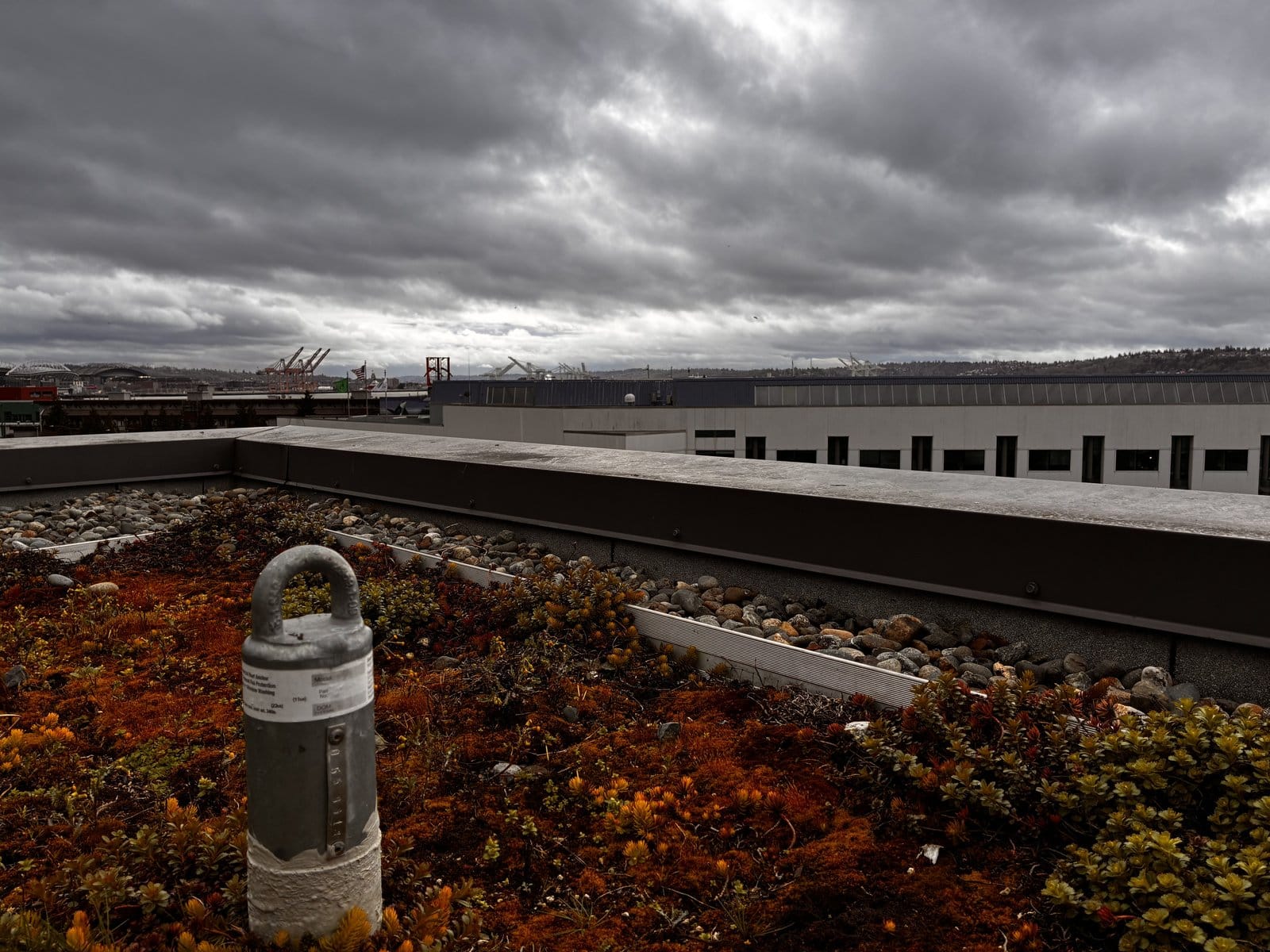
If your Phoenix building has permanent fall protection anchors on the roof, those anchors need a documented inspection by a competent person at least once every 12 months. Personal fall arrest anchorages are governed by OSHA 29 CFR 1910.140 and the ANSI Z359.2 managed fall protection framework. Anchorages used for rope descent systems, the kind window washing rigs tie into, carry their own owner obligations under OSHA 29 CFR 1910.27(b)(1), including annual inspection and written certification.
Arizona is one of the states that runs its own occupational safety program. The Arizona State Plan, administered by ADOSH, adopts the federal standards, including 1910.27(b)(1), so the anchor rules in Phoenix are the same rules that apply nationwide. The agency changes; the obligation does not.
The annual inspection is the routine layer of compliance. It sits below the deeper work of a 10 year recertification for rope descent anchorages and the physical verification of anchor load testing. Most owners meet all three through one coordinated program rather than three separate vendor relationships.
What the Sonoran Desert Does to Anchor Hardware
Phoenix roofs live through more than 100 days a year above 100 degrees, and the membrane surface runs far hotter than the air above it. That heat, combined with one of the most intense UV exposures of any American metro, is quietly destructive to the parts of an anchor system that never show up in a quick glance from the roof hatch.
- Coatings chalk and fail. Galvanizing and painted finishes degrade faster under sustained UV, opening the door to corrosion that seems out of place in a dry climate but shows up wherever monsoon moisture lingers.
- Gaskets and sealants dry out. The flexible parts at an anchor base, the boot, the sealant bead, the weatherproofing collar, harden and crack in desert heat. Once they split, every summer storm sends water along the anchor post and into the deck.
- Thermal cycling works connections loose. A roof that swings 60 degrees between a July afternoon and a January night expands and contracts daily, and threaded fasteners feel every cycle.
- Monsoon season adds impact. Dust storms and microbursts drive debris across rooftops every summer, and a bent stanchion or gouged base plate is exactly the kind of damage an annual inspection exists to catch.
We wrote a full breakdown of the failure pattern in how desert heat destroys roof anchors. The short version: the inspection interval is set by the standards, but in Phoenix the odds that an inspection finds something real are higher than owners expect.
What a Phoenix Anchor Inspection Includes
ADS Contractors brings its documentation driven certification process to Phoenix buildings. Every annual inspection covers:
- A numbered roof plan. Each anchor is identified, labeled, and mapped so the record follows the building through management changes and sales.
- Component level examination. Post, base plate, welds, fasteners, and the surrounding substrate are checked for corrosion, cracking, deformation, loosening, and heat damaged sealant.
- Substrate and membrane review. An anchor is only as strong as what it is bolted to, so we look closely at the deck condition and at UV stressed membrane around every penetration.
- Photo documentation. Date stamped images of each anchor type and of every deficiency, attached to the report.
- A signed report with a verdict. Pass, repair, or do not use, for each anchor, signed by a competent person as OSHA defines the term.
The deliverable is the document your roofer, HVAC contractor, or window washing vendor will ask to see before anyone ties off. When it is current and on file, rooftop work starts on schedule instead of stalling in an email chain.
Built for Phoenix Owners, Not Just Phoenix Roofs
The Phoenix anchor market has a gap. Plenty of companies will wash your windows; very few specialize in the inspection, testing, and certification of the anchors those washers depend on. ADS Contractors serves building owners and property managers in Phoenix as an anchor specialist, which means the report you receive is written to survive scrutiny from an insurer, a buyer's due diligence team, or an ADOSH inquiry, not just to tick a box.
The building stock here concentrates the need: towers in downtown and midtown Phoenix, commercial buildings along the Camelback corridor, and the mid rise wave across Tempe and Scottsdale. A large share of that inventory went up between 2014 and 2017, which also means many rope descent anchorages are approaching their first recertification milestone, a good moment to get the annual routine onto a calendar too.
Responsibility for all of it sits with the building owner. Property managers coordinate the work, but the certification record belongs to ownership, and so does the liability when it is missing. Start with our national roof anchor inspection overview, the roof anchor compliance guide, or our Phoenix service hub and Arizona page for the wider picture.
Phoenix Roof Anchor Inspection FAQ
How often do roof anchors need to be inspected in Phoenix?
At least once every 12 months by a competent person. The cadence comes from OSHA 29 CFR 1910.140 and ANSI Z359.2 for fall arrest anchorages, and rope descent anchorages additionally require annual inspection under 1910.27(b)(1). Arizona applies these federal standards through its own state program, ADOSH.
Does Arizona have its own OSHA?
Yes. Arizona operates a federally approved State Plan through the Arizona Division of Occupational Safety and Health, ADOSH. The plan adopts the federal standards that govern roof anchors, so the requirements on a Phoenix building match the federal rules, administered at the state level.
Does desert heat change how often anchors should be checked?
The required interval stays the same, but Phoenix conditions raise the stakes of skipping it. UV and heat degrade sealants and coatings, thermal cycling loosens fasteners, and monsoon storms add impact damage. A quick owner walkover after a major dust storm is cheap insurance between formal inspections, and the annual inspection is where that damage gets formally caught and documented.
Who will actually ask to see my inspection report?
Your vendors, before your regulator. Roofers, mechanical contractors, and window washing companies ask for current anchor documentation before their technicians tie off, and rope access work on rope descent anchorages cannot legally proceed until the owner provides written certification. Insurers and buyers ask during renewals and sales. A current report keeps all of those conversations short.
Our Phoenix Anchor Services
Annual Anchor Inspection
Yearly competent person inspection with photos and a signed report.
10-Year Recertification
Stamped engineering review for rope descent anchorages reaching the federal deadline.
Tie Back Recertification
Certification of rope descent and suspended access tie backs.
Anchor Load Testing
Documented load verification to manufacturer and OSHA standards.
Davit Inspection
Arm and base inspection for suspended access systems.
All Phoenix Services
Return to the Phoenix service hub for an overview of every offering.
Ready to Get Started?
Contact ADS Contractors today for a free evaluation of your building's roof anchor system. We will review your documentation, scope the inspection, and provide a detailed quote with no obligation.
Contact Us TodayOr call our Phoenix line: (623) 552-6088