

Which Anchors the 10 Year Rule Actually Covers
Recertification is the most misunderstood obligation in fall protection, so it is worth being precise. The 10 year mandate applies to anchorages used with rope descent systems, the rigging points window washing and other suspended access trades tie into. Under OSHA 29 CFR 1910.27(b)(1), building owners must identify, test, certify, and maintain each rope descent anchorage so it is capable of supporting at least 5,000 pounds per attached worker, backed by written certification, inspected annually, and recertified at least every 10 years.
Personal fall arrest anchors that are never used for rope descent sit under a different rule, OSHA 29 CFR 1910.140, which sets no fixed federal 10 year clock. For those anchors, the inspection and recertification cadence comes from the manufacturer's instructions and the standard of care. Many Phoenix roofs carry both types side by side, which is why the first step of any recertification project is sorting out which anchor is which.
Recertification is also not the same thing as the annual anchor inspection. The annual visit checks condition; recertification re-establishes, with engineering behind it, that the anchorage still does what its original certification said it could do.
Why the Phoenix Clock Is Striking Now
Metro Phoenix added an unusual amount of vertical inventory between 2014 and 2017: residential towers in downtown and midtown, commercial projects along the Camelback corridor, and mid rise construction across Tempe and Scottsdale. Anchorages installed during that wave are reaching the 10 year mark right now, which puts a large share of the market inside its first recertification window at the same time.
Timing is only half the Phoenix story. The other half is what a decade of desert exposure does to hardware. Sustained heat and UV embrittle the sealants at anchor bases, coatings chalk and thin, thermal cycling loosens fasteners, and monsoon dust storms sandblast everything on the roof. Our post on desert heat and roof anchor damage walks through the pattern in detail. A 10 year old anchor in Phoenix has lived a harder life than a 10 year old anchor almost anywhere else, and the recertification field work regularly proves it.
There is a records problem layered on top. Buildings from that era have often changed hands or changed management, and the original installer's certification paperwork did not always survive the transitions. If you cannot produce the original certification for your anchorages, recertification is how the record gets rebuilt.
Arizona's State Plan Does Not Soften the Requirement
Some Phoenix owners assume that because Arizona runs its own safety program, the federal anchor rules apply loosely here. The opposite is true. Arizona administers a federally approved State Plan through ADOSH that adopts the federal standards, including 1910.27(b)(1). After a period of federal review, the U.S. Department of Labor affirmed Arizona's plan in 2023 once the state aligned its penalty structure with federal levels.
The practical meaning for an owner: the recertification obligation on a Phoenix building is the same one that applies in every federal OSHA state, and the certification file you build needs to stand on its own whoever reads it. Our roof anchor compliance guide lays out the whole regulatory picture, and the Arizona page covers the state level context.
How ADS Runs a Phoenix Recertification
ADS Contractors serves building owners and property managers in Phoenix with the same documentation driven process behind our national recertification service:
- Records review. We collect whatever certification history exists, from original installation drawings to the last annual report, and flag the gaps.
- Field inspection and identification. Each anchorage is located, numbered on a roof plan, and examined component by component, with special attention to heat degraded sealant and monsoon era damage.
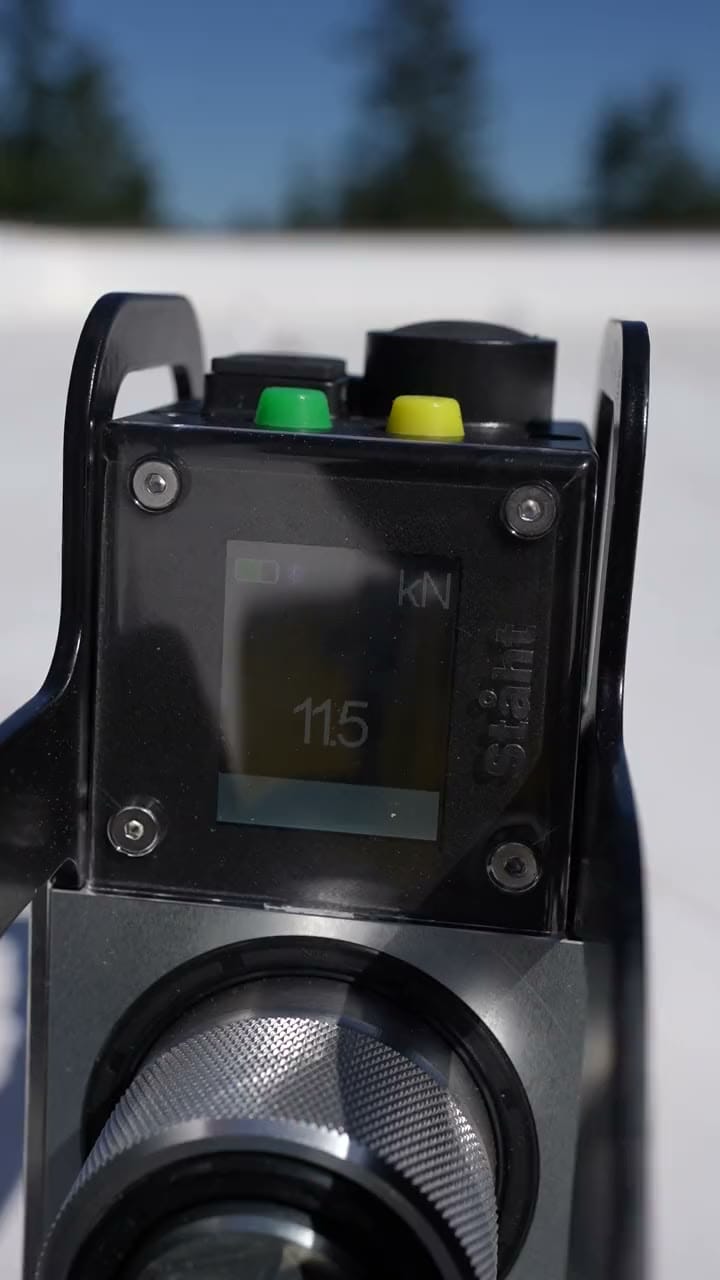
- Load testing where the program requires it. Anchors are load tested to the levels specified by the anchor manufacturer and applicable standards, with documented hold times.
- Engineering review. The field data goes to a licensed structural engineer for review, and the recertification letter carries that engineer's stamp.
- A certification package you can hand to anyone. Roof plan, per anchorage results, photos, and the stamped letter, ready for the window washing vendor, the insurer, or a buyer's counsel.
Everything lands in a format your team can find again in year nine, because the second recertification should be easier than the first. Browse the rest of our Phoenix services on the Phoenix hub.
Phoenix Roof Anchor Recertification FAQ
Is the 10 year recertification really required in Arizona?
Yes, for rope descent anchorages. Arizona's ADOSH program adopts the federal standards, and 1910.27(b)(1) requires owners to certify each rope descent anchorage, inspect it annually, and recertify it at least every 10 years. The state plan was affirmed by the U.S. Department of Labor in 2023, so there is no Arizona carve out.
Do my personal fall arrest anchors need the 10 year recertification too?
Not under a fixed federal clock. Fall arrest anchors that are never used for rope descent fall under 1910.140, and their inspection and recertification cadence comes from the manufacturer's instructions and the standard of care. Sorting rope descent anchorages from fall arrest anchors is one of the first deliverables of our field work.
My building was finished around 2015. When am I due?
If your rope descent anchorages were certified when the building was commissioned, the 10 year mark lands right about now. Buildings from the 2014 to 2017 Phoenix construction wave are entering the window as a group, and testing calendars fill up, so owners who schedule early avoid the crunch and keep their window washing schedule intact.
Who signs the recertification?
A licensed structural engineer reviews the field data and stamps the recertification letter. ADS Contractors performs the inspection, testing, and documentation, and coordinates the engineering review, so the owner receives one complete package rather than pieces from three vendors.
Our Phoenix Anchor Services
Annual Anchor Inspection
Yearly competent person inspection with photos and a signed report.
10-Year Recertification
Stamped engineering review for rope descent anchorages reaching the federal deadline.
Tie Back Recertification
Certification of rope descent and suspended access tie backs.
Anchor Load Testing
Documented load verification to manufacturer and OSHA standards.
Davit Inspection
Arm and base inspection for suspended access systems.
All Phoenix Services
Return to the Phoenix service hub for an overview of every offering.
Ready to Get Started?
Contact ADS Contractors today for a free evaluation. We will review your certification history, confirm which anchorages are due, and quote the full recertification with no obligation.
Contact Us TodayOr call our Phoenix line: (623) 552-6088