

Why Roof Anchors End Up on the Board's Agenda
Most board members first hear about roof anchors when a window washing contractor asks for the certification before starting work, or declines to start without it. That request is not the contractor being difficult. Federal rule 29 CFR 1910.27(b)(1), which Hawaii enforces through HIOSH, does not allow a contractor to use an anchorage until the building owner has provided written information that it has been inspected and certified.
In a condominium, the owner's side of that rule is carried out by the association, through its board and managing agent. The resident manager is usually the person who has to find the paperwork.
ADS Contractors builds and maintains that paperwork for Hawaii associations, from a first baseline through annual inspections and 10 year recertification.
What the Rule Asks of Your Association
For anchorages used with rope descent systems, which includes the tie backs and davit bases that window washers rig into, the association must:
- Have each anchorage inspected at least once a year by a qualified person.
- Have each anchorage certified by a qualified person as necessary, and at least every 10 years.
- Confirm each anchorage can support at least 5,000 pounds in any direction for each worker attached.
- Provide that information to the contractor in writing before work begins.
Anchors used only for fall arrest or fall restraint follow the manufacturer's instructions and the applicable ANSI standards. Our guide to Hawaii roof anchor requirements explains the difference in plain language.
The Two Situations We See Most
Older towers with no paperwork. Many concrete towers from the 1960s through the 1980s have anchors that were added over the years, with records that were never created or did not survive changes in management. For these buildings the first project is a baseline: every anchor located, numbered, inspected, and tested, and a certification issued for the first time.
Newer towers reaching year ten. Towers completed in the mid 2010s were delivered with certified anchor systems. That certification is good for ten years. If your building opened in 2015 or 2016, the recertification window is open now.
Planning and Budgeting
Anchor work is predictable once a baseline exists: an inspection every year and a recertification every ten. That makes it a line item the association can plan for instead of a surprise.
Hawaii's condominium law, HRS Chapter 514B, requires associations to budget for replacement reserves based on a reserve study, and many boards include recertification and anchor repairs in that planning. ADS provides written, flat quotes so the numbers can go straight into a budget. We also offer multi-year inspection agreements that lock in the price of each annual visit.
What the Board Receives
Every project ends with a file the association can stand behind:
- A roof plan with each anchor numbered.
- An anchor schedule with type, condition, and status for each anchor.
- Dated photographs, including close-ups of anything that did not pass.
- Load test records for each anchor tested.
- For recertification, a stamped letter from a Hawaii-licensed structural engineer.
- Plain language recommendations for repairs, with priorities.
Reports are also available through the ADS client portal, so the file stays with the building when managers or board members change.
AOAO Roof Anchor Frequently Asked Questions
Who is responsible for anchor certification in a Hawaii condominium?
The rule places the duty on the building owner. In a condominium that responsibility is carried out by the association, acting through its board and managing agent. The contractor's duty is to get the written certification before using the anchors.
Our window washer says they cannot start without anchor certification. Is that correct?
Yes. OSHA 29 CFR 1910.27(b)(1) requires the contractor to obtain written information from the building owner that each anchorage has been inspected and certified before any worker uses it. A contractor who asks for it is following the rule.
How long does a certification project take?
Most projects run a few weeks from kickoff to final report, depending on building size, the condition of existing records, and the engineering review. We give the board a timeline up front.
Can you walk our board through the findings?
Yes. We can review the report with your board or managing agent by video call and answer questions about findings and priorities.
Anchor Services for Hawaii Associations
Annual Anchor Inspection
Yearly visual and structural anchor checks with photo documentation, tuned to salt air conditions.
10-Year Recertification
Stamped engineering recertification for rope descent anchorages reaching the 10 year mark.
Anchor Load Testing
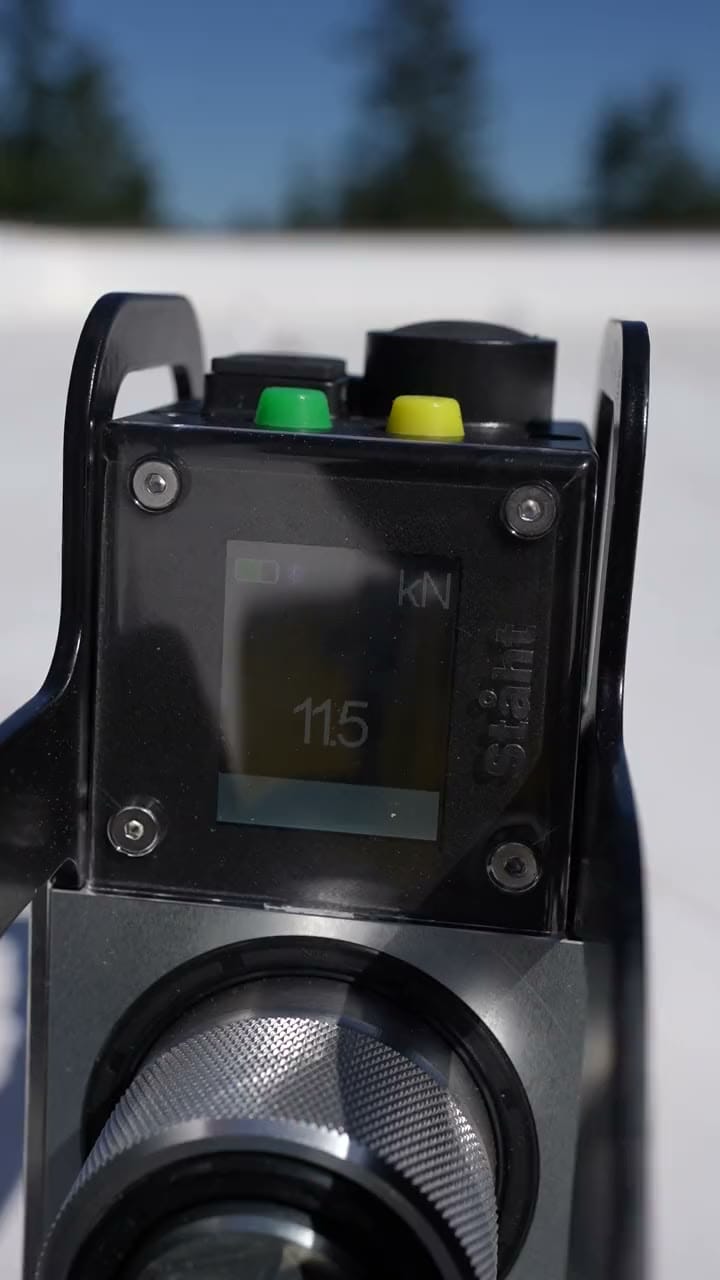
Instrumented load testing with documented hold times and a pass or fail record for each anchor tested.
Davit Inspection
Arm, base, and socket inspection for high rise window washing davit systems.
Tie Back Recertification
Written recertification for the tie back anchors that suspended workers connect to.
Honolulu and Oahu
Everything we do on Oahu.
Related Reading
Hawaii Roof Anchor Requirements: What HIOSH Expects From Building Owners
Hawaii enforces the federal anchor rule through its own state program. What owners must inspect, certify, and document, and what the rule does not cover.
Read the full guide ›Why Honolulu's Salt Air Makes Anchor Inspections Critical
Chloride carried in on the trade winds starts working on rooftop hardware the day it is installed. What that means for how closely your anchors should be watched.
Read the full guide ›Ready to Get Started?
Contact ADS Contractors for a free evaluation of your building's rooftop anchor systems. Tell us what documentation you have, and we will scope the work and reply with a clear, flat quote and no obligation.
Contact Us TodayOr call our Honolulu line: (808) 427-1863