

Inspection Keeps You Current. Recertification Keeps You Certified.
An annual roof anchor inspection is a condition check by a trained qualified person. Recertification is a different product entirely: an engineering review that ends with a stamped letter from a Hawaii-licensed structural engineer stating that your anchorages still meet the capacity they were certified to when they were installed.
It helps to be precise about which anchors carry a federal 10 year clock, because much of the marketing in this industry is not. The 10 year requirement in OSHA 29 CFR 1910.27(b)(1) attaches to anchorages used by rope descent systems, meaning the tie backs and davit bases that window washing and suspended facade work rig into. Under that rule the building owner must identify, test, certify, and maintain each RDS anchorage so it can support at least 5,000 pounds per attached worker, keep written certification on file, have the anchorages inspected at least annually, and recertify them at least every 10 years.
Fall arrest anchors that never see rope descent use do not sit under that fixed federal 10 year cadence. Their inspection and testing schedule comes from the manufacturer and the standard of care. A good recertification project covers both honestly: the RDS anchorages get the full certification treatment, and the rest of the system gets evaluated to the schedule that actually governs it. Our national roof anchor recertification page explains the general process; this page covers what is specific to Honolulu.
The Kakaako Wave Is Honolulu's Recertification Story
Honolulu built a generation of condo towers in the middle of the 2010s, most visibly in Kakaako. Those buildings were delivered with engineered rope descent anchor systems, and their certification paperwork is dated at completion. Ten years later means now: towers certified in the mid 2010s are entering their first recertification window over the next few years, and the certification on file quietly stops being current the day the clock runs out.
The older stock has the opposite problem. Concrete towers from the 1960s through the 1980s in Waikiki, Makiki, and around Ala Moana often have anchors that were added midlife, with paperwork that never existed or did not survive decades of management turnover. For those buildings, recertification is really certification: building the inventory, testing, and engineering record for the first time.
Honolulu adds one more variable that mainland owners never deal with, which is the pace of chloride corrosion. A decade of salt air is simply harder on embedded steel than a decade of Seattle rain, so a Honolulu anchorage arriving at its 10 year mark deserves real scrutiny rather than a rubber stamp. Our post on salt air and Honolulu anchor systems explains why the corrosion you cannot see is the finding that matters.
How a Honolulu Recertification Runs
ADS coordinates the full recertification path and keeps the AOAO board or facility director informed at each step:
- Records review. We pull the original anchor layout, installation records, and prior inspection reports, often from the developer turnover package the managing agent holds. If nothing exists, we build the baseline from the roof itself.
- Field verification. Each anchorage is located, numbered, photographed, and evaluated, including the substrate it is embedded in.
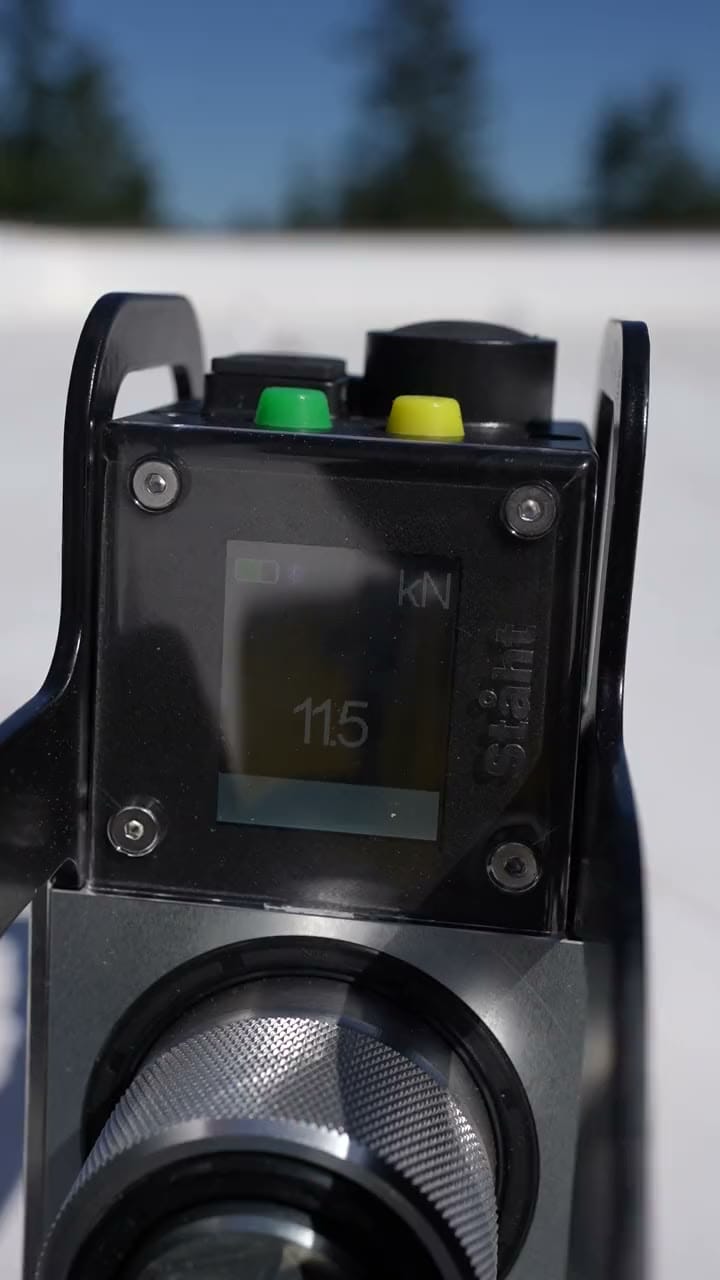
- Load testing on every anchor. Every anchorage in the system is load tested to the levels specified by the anchor manufacturer and applicable standards, with documented hold times and a recorded result for each test. Sampling programs are available on request for large portfolios.
- Engineering review and stamped letter. A Hawaii-licensed structural engineer reviews the field data, the test records, and the original design, then issues the stamped recertification letter for the RDS anchorages.
Most projects run a few weeks from kickoff to stamped letter, driven by building size, records condition, and the engineering review queue. We give boards a firm timeline up front, which matters when a window washing contract or an insurance renewal is waiting on the paperwork.
What the Board Receives, and Why It Matters
The deliverable is a compliance file your association can stand behind: the stamped recertification letter, a roof plan with each anchorage numbered, an anchor schedule with condition and capacity notes, dated field photographs, the documented load test records, and plain language repair recommendations for anything that did not pass.
For an AOAO board, that package does three jobs. It satisfies the written certification duty that 1910.27(b)(1) places on the owner. It gives your insurer and your attorney the artifact they want to see after any incident. And it turns anchor work into a plannable reserve item instead of an emergency assessment, which is how well run Honolulu associations prefer to budget capital work.
Hawaii administers these rules through its own state program, HIOSH, whose standards adopt the federal anchor requirements, and the state runs a dedicated local emphasis program on fall hazards. The owner who can produce a current certification file has a very short conversation with anyone who asks. Start with our roof anchor compliance guide if you want the full regulatory picture, or visit the Honolulu service hub for everything we offer on Oahu; ADS serves associations and owners across Hawaii.
Honolulu Roof Anchor Recertification FAQ
Does the 10 year recertification rule cover every kind of roof anchor?
No. The fixed 10 year cycle in OSHA 29 CFR 1910.27(b)(1) applies to anchorages used by rope descent systems, such as window washing tie backs and davit bases. Fall arrest anchors that never see rope descent use follow the manufacturer's schedule and the standard of care instead. A careful recertification project treats the two categories differently and says so in the paperwork.
Our Kakaako tower was completed in 2015. When is recertification due?
Count 10 years from the date on the written anchorage certification, which for mid 2010s towers is usually the completion year. A tower certified in 2015 reaches the end of that window in 2025, so the recertification conversation should already be underway. Check the certification date in your association's records first; we can help you locate it if the file is incomplete.
Who actually signs the recertification?
A Hawaii-licensed structural engineer issues and stamps the recertification letter. ADS performs the field inventory, inspection, and load testing, assembles the documentation, and coordinates the engineering review, so the board gets one accountable point of contact and a letter signed by the professional the rule contemplates.
What if our building has no record of the anchors ever being certified?
That is common in Honolulu buildings from the 1960s through the 1980s. The fix is to build the baseline: inventory and label each anchorage, evaluate condition and substrate, load test to the levels specified by the manufacturer and applicable standards, and issue fresh certification. From then on the building runs on a normal annual inspection and 10 year recertification calendar for its RDS anchorages.
Anchor Services for Honolulu Buildings
Annual Anchor Inspection
Yearly visual and structural anchor checks with photo documentation, tuned to salt air conditions.
10-Year Recertification
Stamped engineering recertification for rope descent anchorages reaching the 10 year mark.
Tie Back Recertification
Written recertification for the tie back anchors that suspended workers connect to.
Anchor Load Testing
Instrumented load testing with documented hold times and a pass or fail record for each anchor tested.
Davit Inspection
Arm, base, and socket inspection for high rise window washing davit systems.
All Honolulu Services
See the full menu of anchor and fall protection services for Honolulu buildings.
Ready to Get Started?
Contact ADS Contractors for a free evaluation of your building's rooftop anchor systems. Tell us what documentation you have, and we will scope the work and reply with a clear, flat quote and no obligation.
Contact Us TodayOr call our Honolulu line: (808) 427-1863