

Why Annual Anchor Inspection Matters More in Honolulu
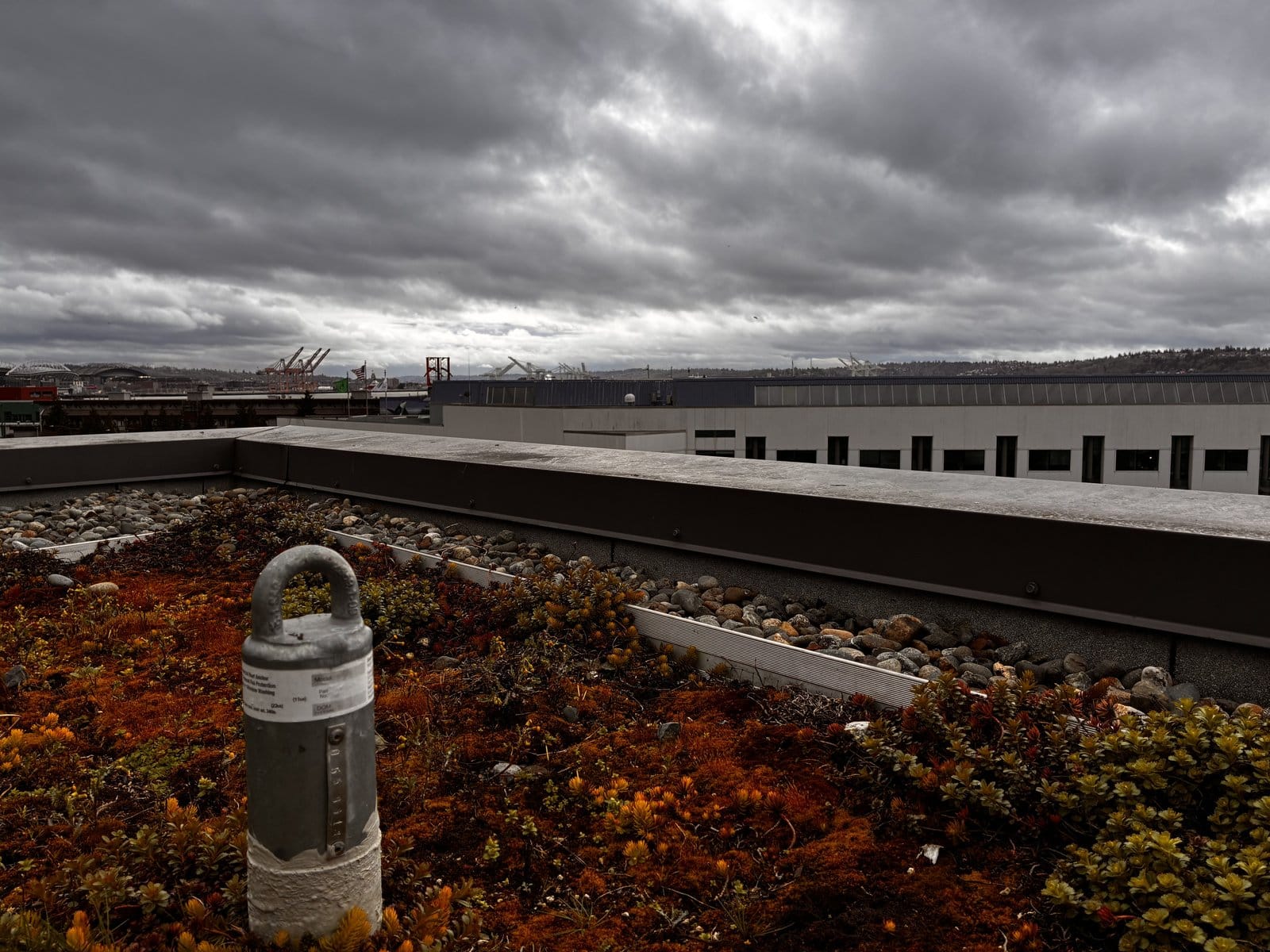
A roof anchor in Honolulu lives a harder life than the same hardware installed almost anywhere on the mainland. Salt carried in on the trade winds settles on rooftop steel every day of the year, and the humidity never drops low enough to give corrosion a rest. Galvanized coatings thin and chalk, stainless fasteners pit at the thread line, and the steel buried inside a concrete embed can lose section long before anything looks wrong from the roof surface. We cover the mechanism in detail in our guide to why Honolulu's salt air makes anchor inspections critical.
That environment changes what an inspection is for. In a dry climate the annual check is close to a paperwork exercise. In Honolulu it is the moment someone qualified looks hard at hardware that has spent another year in salt spray and writes down what they found: the record that protects the owner and tells contractors which anchors they may use.
ADS Contractors is a roof anchor certification specialist serving building owners, AOAO boards, and managing agents in Honolulu and across Hawaii. We bring the same documentation driven process behind our national roof anchor inspection service to Honolulu buildings: each anchor identified, photographed, evaluated, and reported, with paperwork that holds up when an insurer, an attorney, or a state compliance inspector asks to see it.
What a Honolulu Roof Anchor Inspection Covers
A proper inspection is a component by component evaluation, not a glance from the roof hatch. On a Honolulu building, ADS documents:
- Anchor inventory and roof plan. Each anchor is numbered and located on a plan, so the record carries from one year to the next even when the managing agent changes.
- Corrosion evaluation. Coating condition, rust staining, pitting, dissimilar metal contact, and sealant condition at every roof penetration. On Oahu this is the heart of the inspection, because chloride attack is the dominant failure path.
- Structural condition. Welds, base plates, fasteners, and any deformation, looseness, or movement in the anchor body.
- Substrate review. The concrete or steel each anchor is fixed to, checked for spalling, cracking, and the water intrusion trails that tropical rain leaves around a compromised penetration.
- Photo documentation. Dated photographs of each anchor, with close-ups of anything deficient.
- A signed written report. A pass, repair, or do-not-use status for each anchor, signed by the qualified person who performed the work.
Where the cadence comes from depends on the anchor. For anchorages used by rope descent systems, the kind window washing rigs tie into, OSHA 29 CFR 1910.27(b)(1) requires inspection at least annually. For fall arrest anchors that never see rope descent use, the schedule comes from the manufacturer's instructions and the standard of care. In Honolulu's climate, twelve months is the defensible outer limit for either category.
Old Concrete, New Glass: Honolulu's Two Anchor Populations
Honolulu's high rise stock splits into two very different inspection problems. The first is the wave of concrete towers built from the 1960s through the 1980s in Waikiki, Makiki, and along the Ala Moana corridor. Many of these buildings had anchors added years after construction, records are thin or gone, and the hardware has now spent decades in salt air. On these roofs the inspection often starts by establishing what is actually up there.
The second population is the Kakaako condo boom of the mid 2010s. Those towers were delivered with engineered rope descent anchor systems and certification paperwork dated at completion, which means the first 10 year recertification window for those anchorages is opening now. An annual inspection keeps those systems current in the meantime, and it is the early warning system that flags corrosion before the 10 year recertification turns up expensive surprises.
Between the two sit Waikiki's hotel towers, where davits and tie backs work nearly every week of the year because facade cleaning never stops in a resort market. Use plus salt is why hotel facility directors tend to put anchor inspection on a fixed calendar, and when records are missing entirely, anchor load testing can re-establish what the paperwork cannot.
Who Orders the Inspection in Honolulu
In most Honolulu towers the decision maker is the AOAO board, the association of apartment owners, with a managing agent handling logistics; in the hotel stock it is the facility director. Either way the duty sits with the building owner, not the contractors who use the anchors: the owner certifies the system, keeps the records, and answers for it if a suspended worker gets hurt.
Hawaii runs its own state OSHA program, HIOSH, under a federally approved state plan, and its standards under HAR Title 12 adopt the federal rules that govern anchors, including 1910.27(b)(1). A current inspection report is also the document your vendors will ask about: a window washing contractor cannot legally rig to your roof until you can show the anchorage paperwork the rule requires. Boards that keep the annual report on file never have that conversation under deadline pressure.
If you are unsure what applies to your building, start with our roof anchor compliance guide, then have your managing agent pull whatever anchor records exist. The Honolulu service hub lists the full Honolulu service set, and we are glad to review your file and tell you plainly whether you need an inspection, a recertification, or both.
Honolulu Roof Anchor Inspection FAQ
How often do roof anchors in Honolulu need to be inspected?
Anchorages used by rope descent systems, such as window washing tie backs, must be inspected at least annually under OSHA 29 CFR 1910.27(b)(1), which Hawaii applies through its HIOSH state plan. Fall arrest anchors follow the manufacturer's inspection schedule and the standard of care. Given Honolulu's salt air, twelve months is best treated as the maximum interval for any rooftop anchor.
Does Hawaii follow federal OSHA rules for roof anchors?
Yes, with local administration. Hawaii operates its own OSHA approved state plan, HIOSH, and its standards under HAR Title 12 adopt the federal rules that matter for anchors, including 29 CFR 1910.27(b)(1) for rope descent anchorages. HIOSH also runs a local emphasis program on fall hazards, so fall protection paperwork gets real attention in Hawaii.
Why does salt air matter so much for roof anchors?
Chloride from ocean air attacks coatings, fasteners, and the steel inside concrete embeds, and Honolulu hardware gets that exposure every day of the year with no dry season to slow it down. Corrosion often advances at the interfaces you cannot see, which is why a documented close-up inspection matters more here than in dry mainland climates.
What documentation do I receive after the inspection?
You receive a roof plan with each anchor numbered, a line item status for each anchor, dated photographs including close-ups of any deficiency, and a signed report from the qualified person who performed the inspection. It is the record your AOAO board files, your insurer may request, and your vendors will ask to see.
Anchor Services for Honolulu Buildings
Annual Anchor Inspection
Yearly visual and structural anchor checks with photo documentation, tuned to salt air conditions.
10-Year Recertification
Stamped engineering recertification for rope descent anchorages reaching the 10 year mark.
Tie Back Recertification
Written recertification for the tie back anchors that suspended workers connect to.
Anchor Load Testing
Instrumented load testing with documented hold times and a pass or fail record for each anchor tested.
Davit Inspection
Arm, base, and socket inspection for high rise window washing davit systems.
All Honolulu Services
See the full menu of anchor and fall protection services for Honolulu buildings.
Ready to Get Started?
Contact ADS Contractors for a free evaluation of your building's rooftop anchor systems. Tell us what documentation you have, and we will scope the work and reply with a clear, flat quote and no obligation.
Contact Us TodayOr call our Honolulu line: (808) 427-1863